

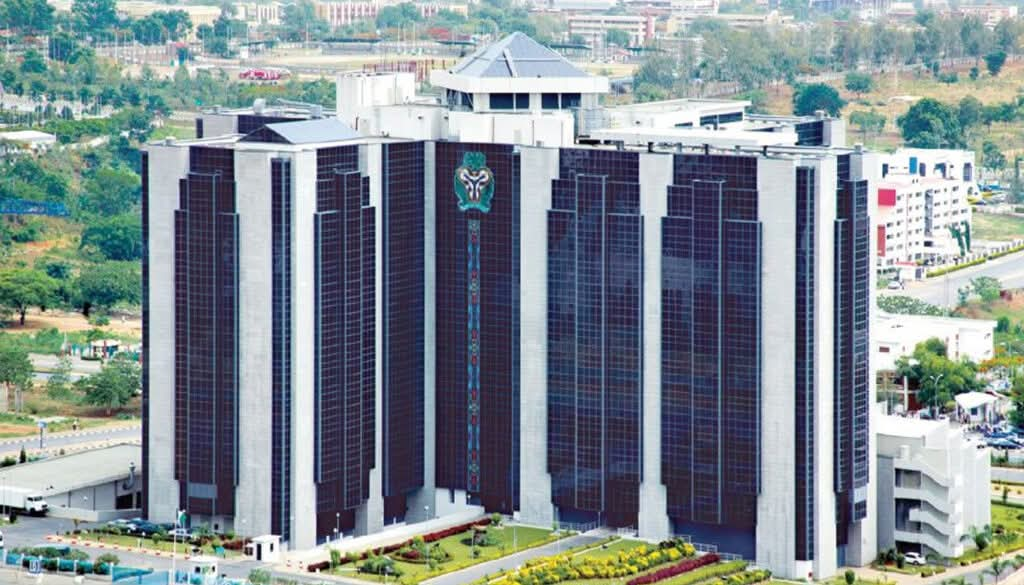
Nigeria’s broad money supply rose by N7.51 trillion in September 2026 to N146.6 trillion, reflecting continued expansion of liquidity in the financial system, Central Bank of Nigeria data showed.
Measured as M3, money supply increased by 5.4 per cent from N139.09 trillion in August. The rise brings cumulative growth since January to N22.65 trillion, or 18.3 per cent, from N123.95 trillion at the start of the year.
The expansion followed the CBN’s decision at its 307th Monetary Policy Committee meeting in September to slash the benchmark interest rate by 350 basis points to 23 per cent from 26.5 per cent—the largest single cut since December 2006.
CBN figures showed money supply climbed steadily from N125.19 trillion in April to N129.54 trillion in May, N133.27 trillion in June and N139.1 trillion in July, before a marginal dip to N139.09 trillion in August and the sharp September surge.
Narrow money, comprising currency and highly liquid deposits, also rose from N43.11 trillion in August to N44.05 trillion in September, while currency held outside banks edged up from N4.87 trillion to N4.92 trillion.
Broad money includes cash, demand deposits, savings and time deposits, as well as foreign currency deposits. Its growth signals an increase in funds within the financial system but does not automatically translate into higher consumer spending.
The Monetary Policy Committee also adjusted the interest rate corridor to plus 50 basis points and minus 300 basis points, while retaining the Cash Reserve Requirement at 45 per cent for commercial banks and 16 per cent for merchant banks. The 75 per cent reserve requirement on non-Treasury Single Account public-sector deposits was left unchanged.
Analysts note that the latest rise in money supply raises questions about its potential impact on inflation, credit growth and overall economic activity, depending on how much of the additional liquidity flows into lending and spending.





Leave a Reply